Skip to content
Retinar Retinar
ES
LinkedIn Instagram
  • How it works
  • Evidence
  • Case studies
  • Resources
  • Blog
  • About us
  • Request a demo

Blog

The resources you were looking for on screening

Our articles share field experience, findings, evaluated models and practical tools to help you build a screening programme of your own.

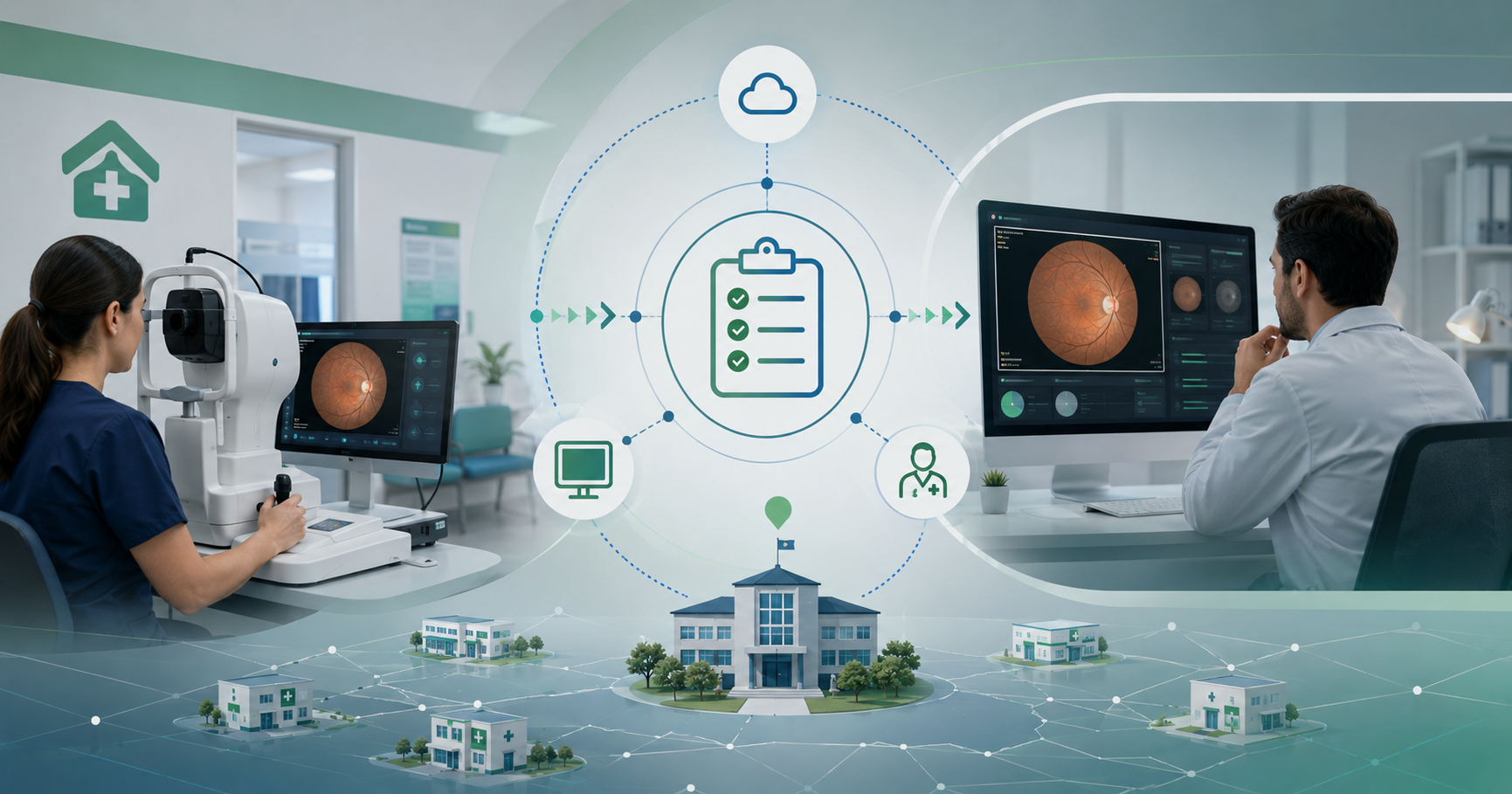
Non-mydriatic fundus camera: what it enables and how it can transform diabetes eye care

Featured · Implementation and operations · 2026

Non-mydriatic fundus camera: what it enables and how it can transform diabetes eye care

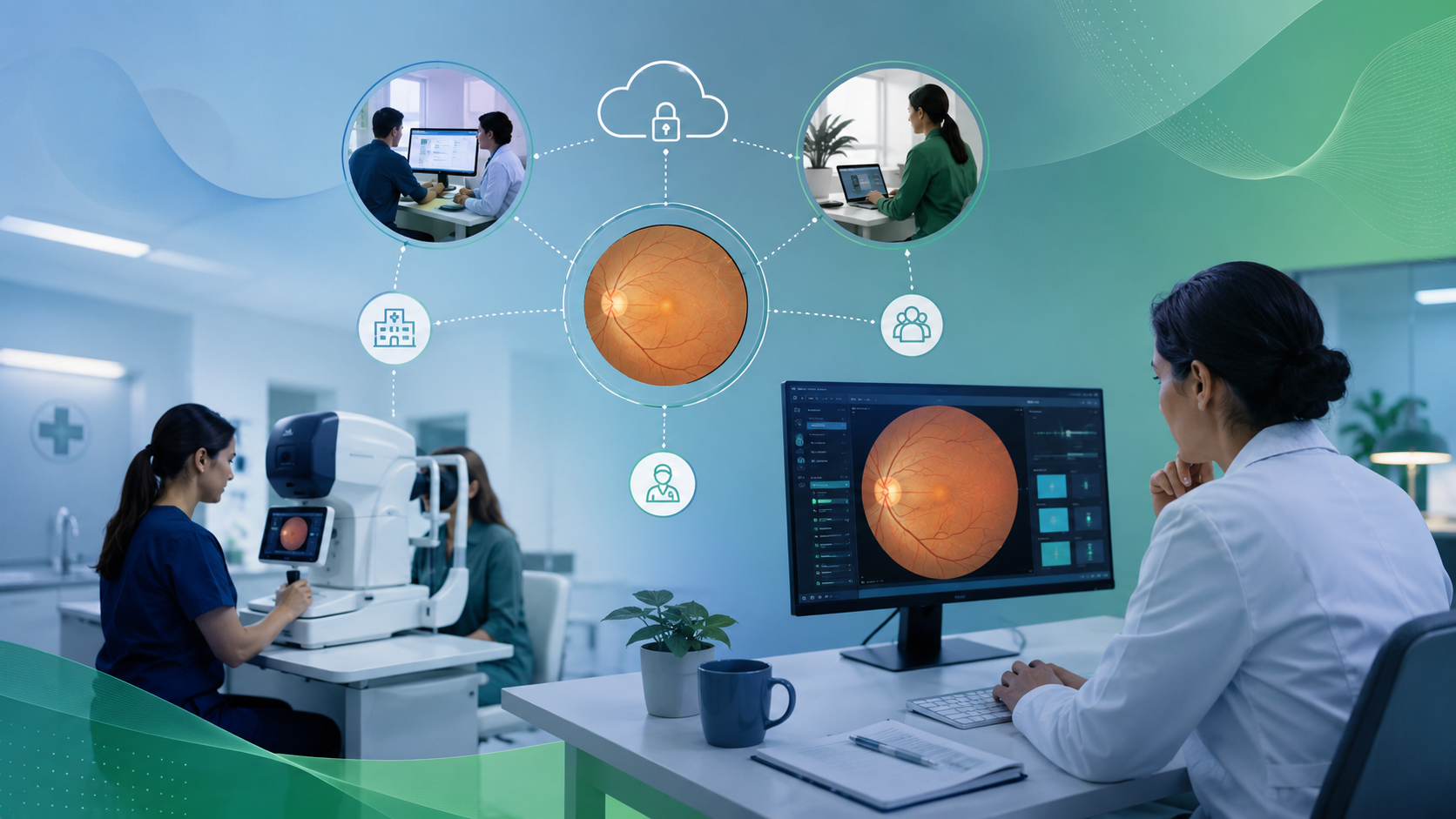
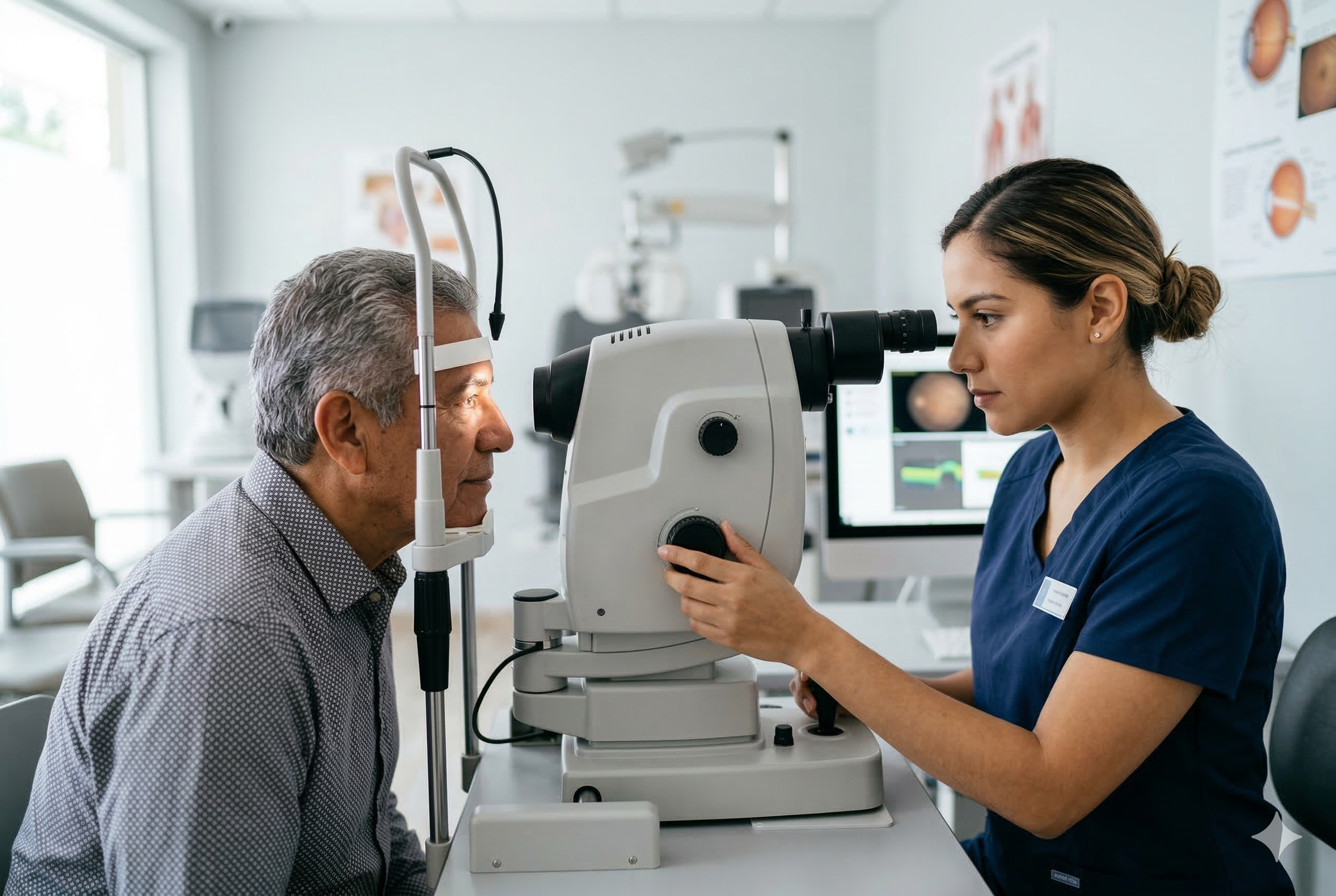
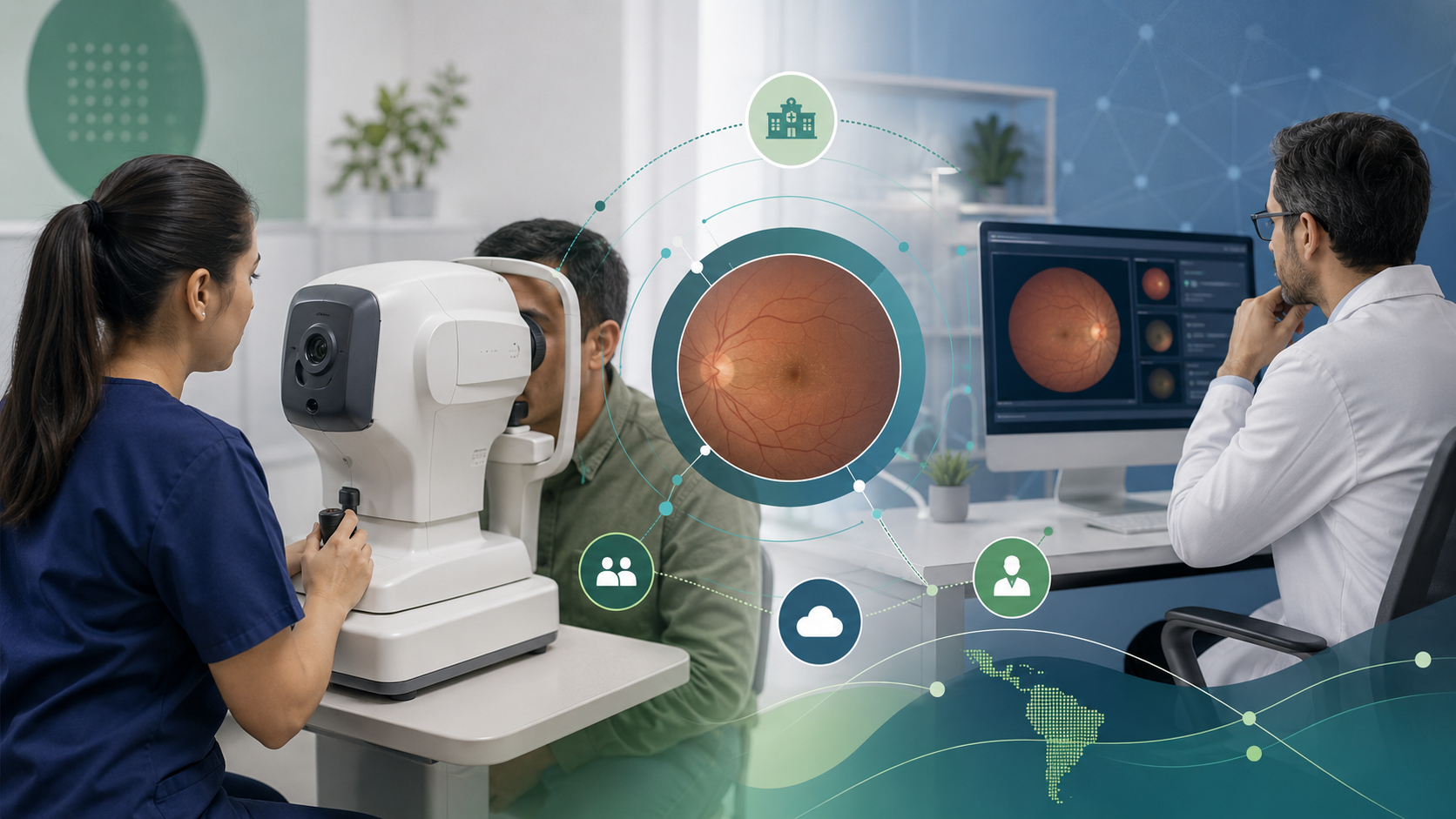
A non-mydriatic fundus camera can reduce friction in retinal capture and enable decentralized care models, as long as it is embedded in a workflow for quality, reading, and referral.

Read article
How to build a diabetic retinopathy screening program in primary care

Public health and primary care · 2026

How to build a diabetic retinopathy screening program in primary care

Building a diabetic retinopathy screening program in primary care requires a clear cohort, capture model, reading pathway, referral rules, and simple metrics so coverage does not depend on isolated actions.

Teleophthalmology with artificial intelligence: an opportunity to expand access to eye care

Safe clinical AI · 2026

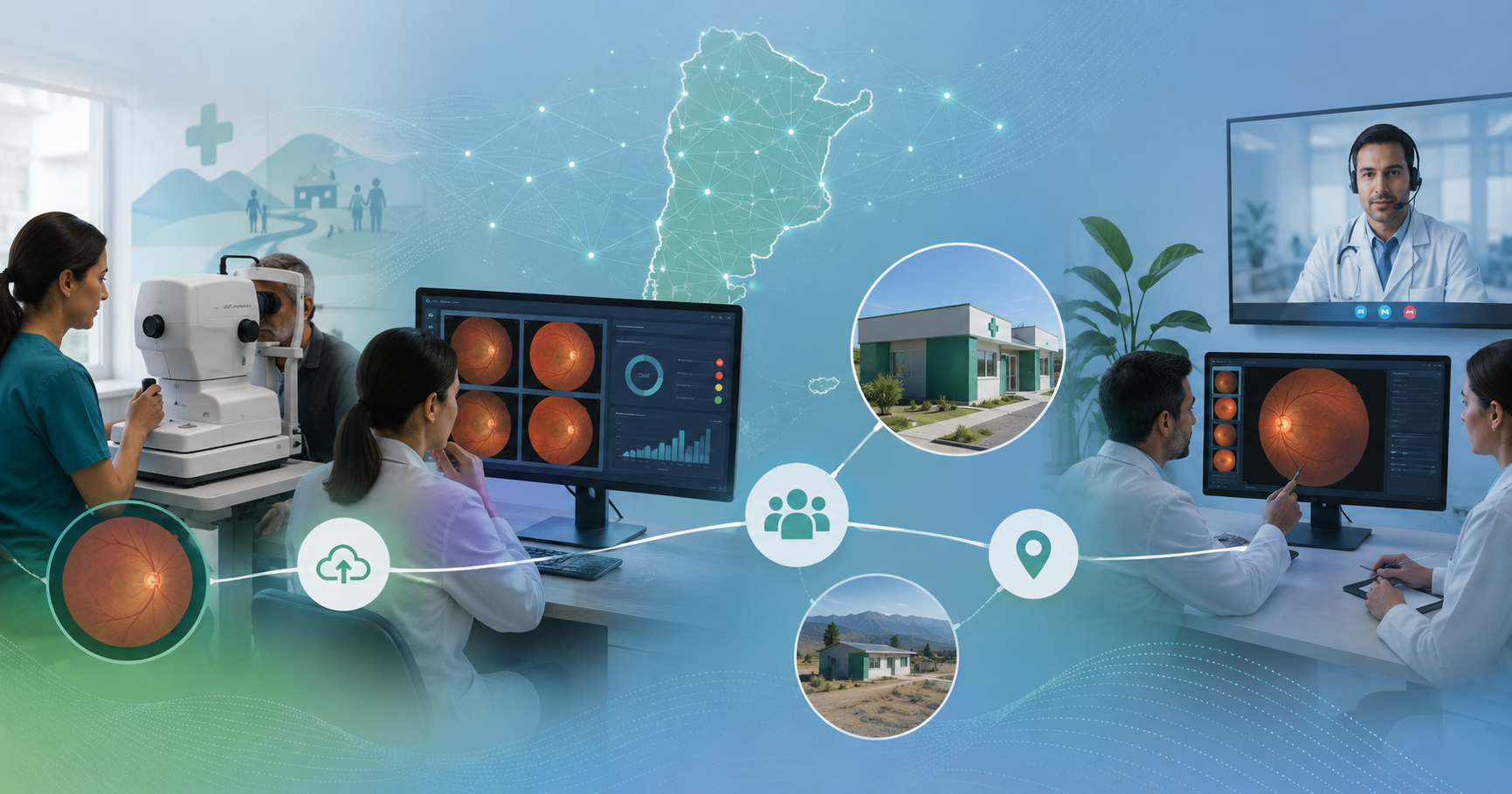
Teleophthalmology with artificial intelligence: an opportunity to expand access to eye care

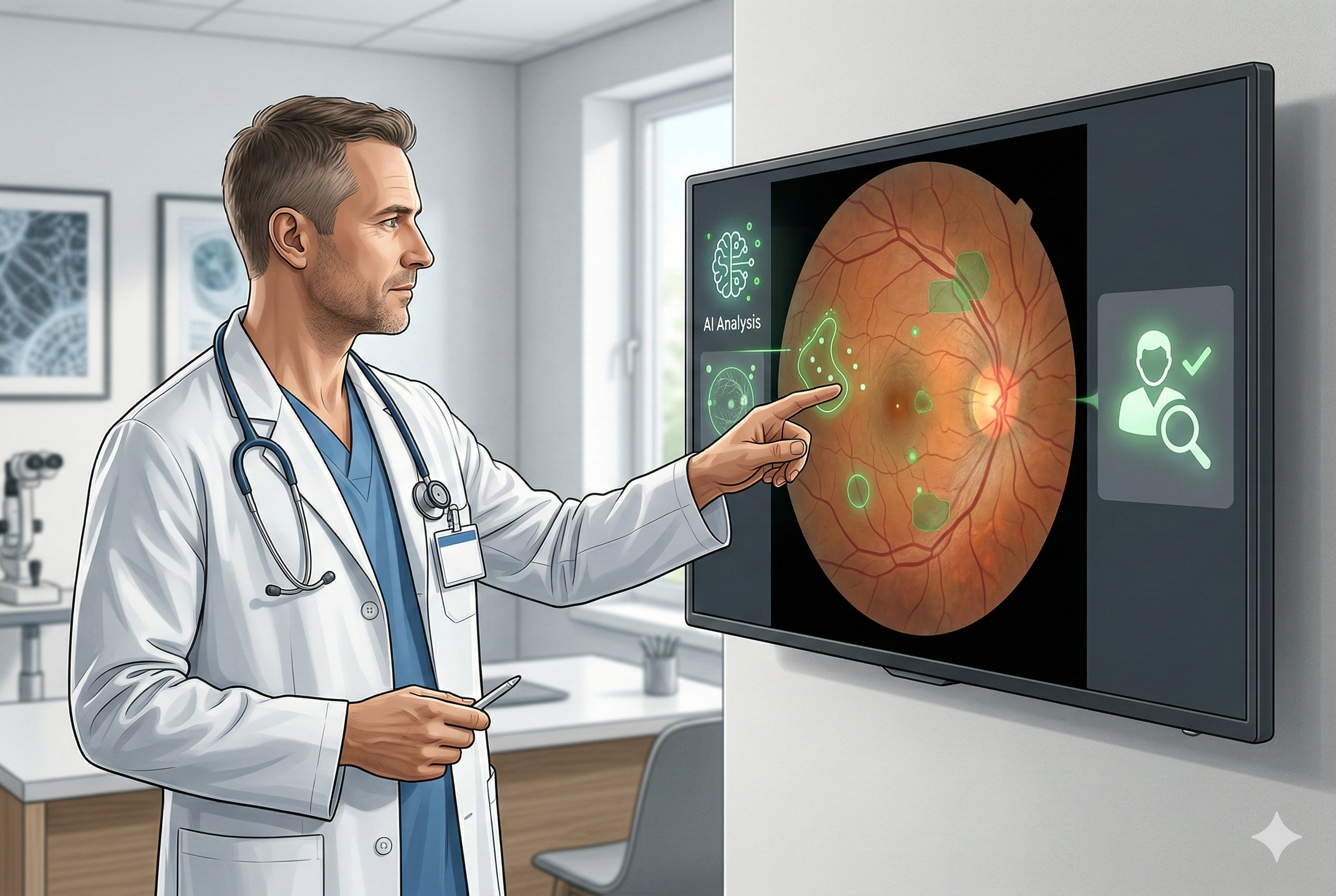
Teleophthalmology with AI should not be treated as a standalone app. It works best as an operational layer that expands coverage, supports prioritization, and preserves traceability with human review.

Diabetic retinopathy screening: what it is, why it matters, and how to implement it in Argentina

Implementation and operations · 2026

Diabetic retinopathy screening: what it is, why it matters, and how to implement it in Argentina

Implementing diabetic retinopathy screening is not about buying a camera. It is about designing a clinical-operational workflow that can capture, prioritize, refer, and close the loop.

Diabetes eye exam: when it should happen and how to improve coverage

Diabetes and eye care · 2026

Diabetes eye exam: when it should happen and how to improve coverage

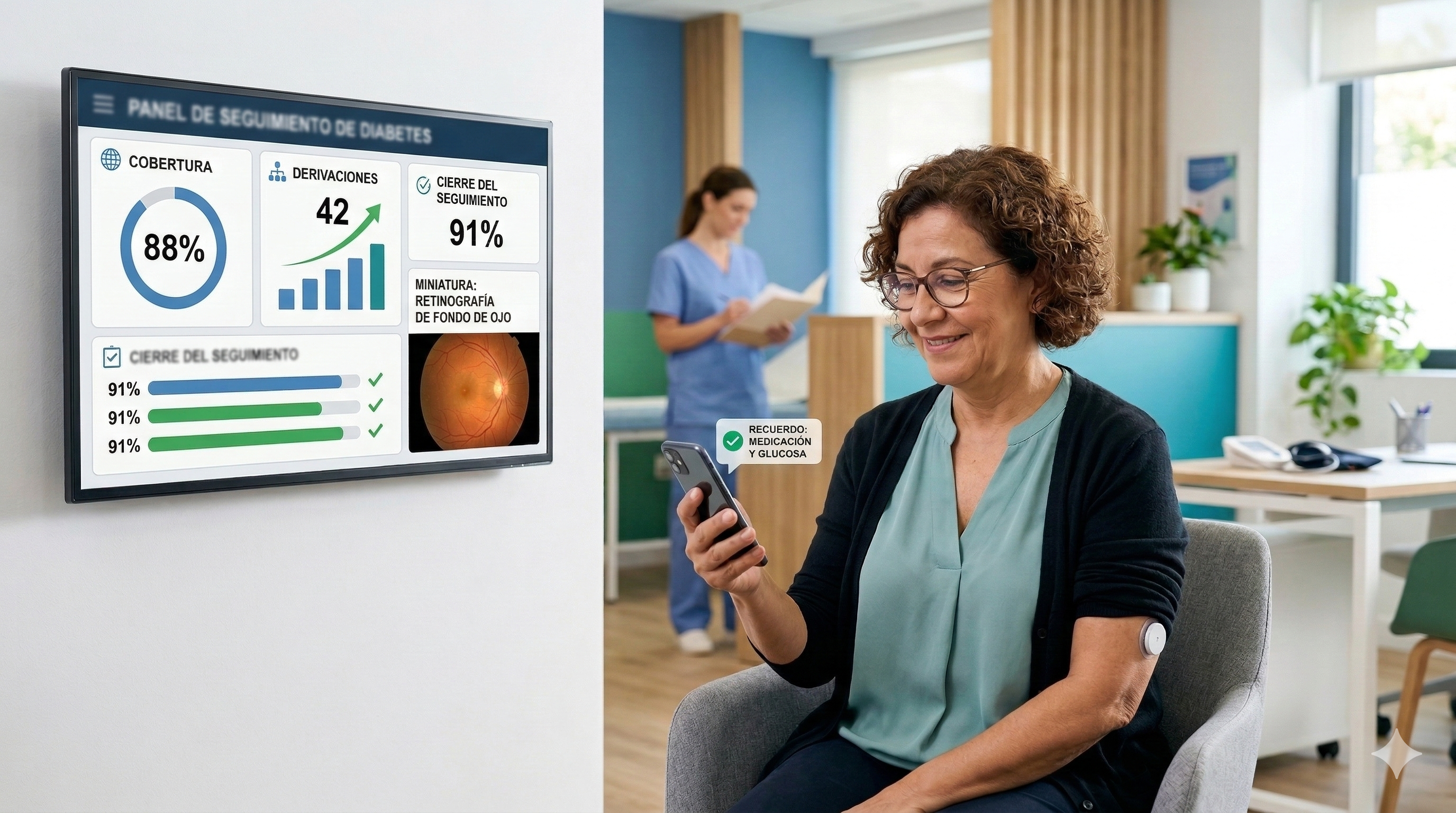
Improving diabetes eye exam coverage requires more than reminders. It requires embedding retinal assessment into the routine care pathway.

Retinal image quality: how to reduce ungradable studies in screening programs

Implementation and operations · 2026

Retinal image quality: how to reduce ungradable studies in screening programs

In retinal screening, an ungradable image is not a technical detail: it is a missed clinical opportunity. Here is how to design a workflow that captures usable images the first time.

Diabetic retinopathy: why many people lose vision without knowing it and how to detect it early

Prevention and eye health · 2026

Diabetic retinopathy: why many people lose vision without knowing it and how to detect it early

Diabetic retinopathy is one of the leading causes of preventable vision loss. Detecting it early is key to avoiding complications.

How to increase retina follow-up adherence in people with diabetes: reminders, risk segmentation, and referral closure

Implementation and operations · 2026

How to increase retina follow-up adherence in people with diabetes: reminders, risk segmentation, and referral closure

Operational guide to improve attendance, reduce loss to follow-up, and measure referral-loop closure in retina programs for people with diabetes.

Teleophthalmology: implementation models for hospitals, clinics, and outreach campaigns

Implementation and operations · 2026

Teleophthalmology: implementation models for hospitals, clinics, and outreach campaigns

Implementing teleophthalmology is not "doing video consults": it is about designing a clinical-operational workflow. These three models show how to bring it to production.

Interoperability in teleophthalmology: integrating fundus imaging into the EHR with HL7 FHIR and DICOM

Interoperability and data · 2026

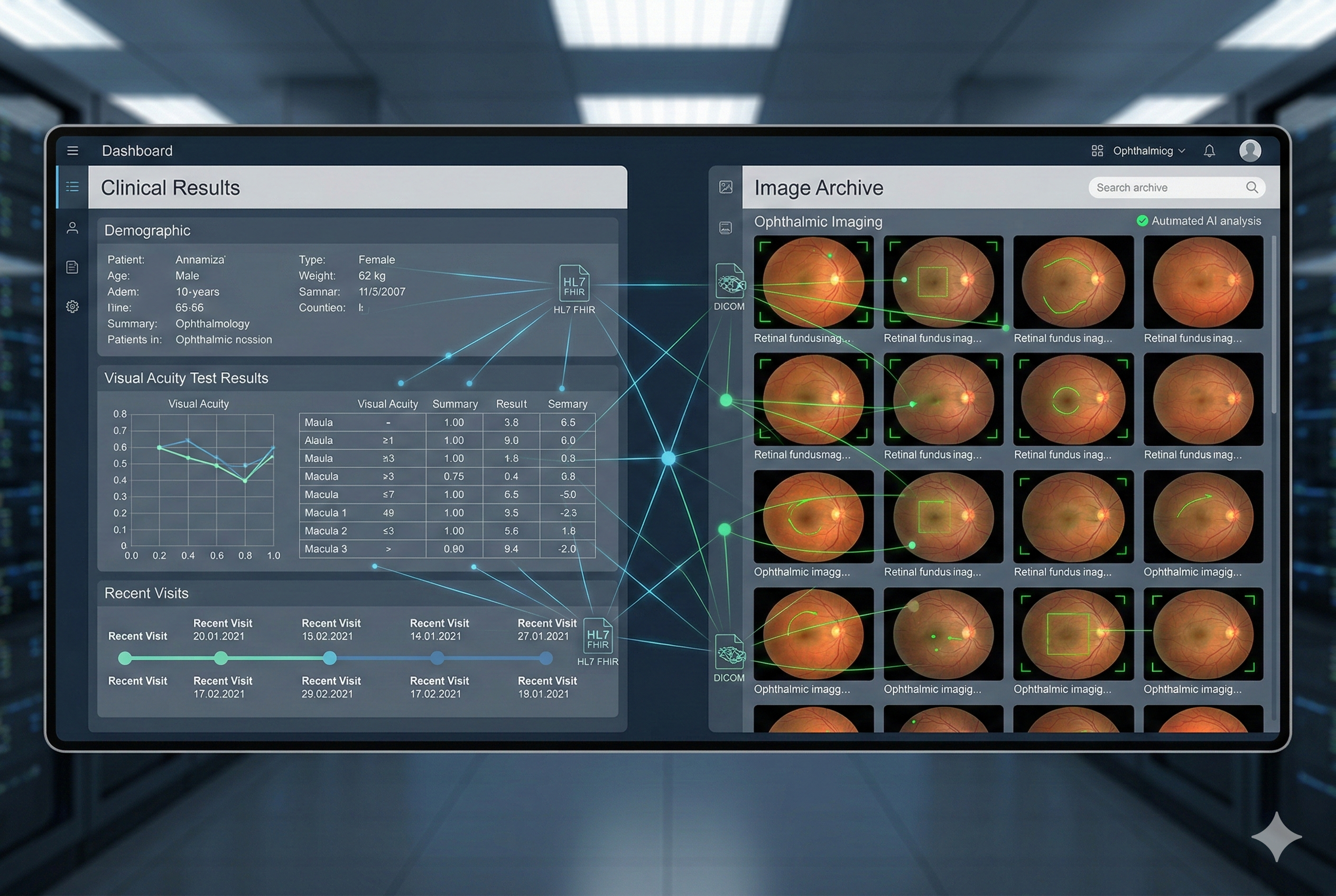
Interoperability in teleophthalmology: integrating fundus imaging into the EHR with HL7 FHIR and DICOM

Three layers (image, result, workflow) and a practical checklist to integrate fundus imaging into the EHR without endless projects.

AI in healthcare: what human-in-the-loop means in practice

AI in ophthalmology · 2026

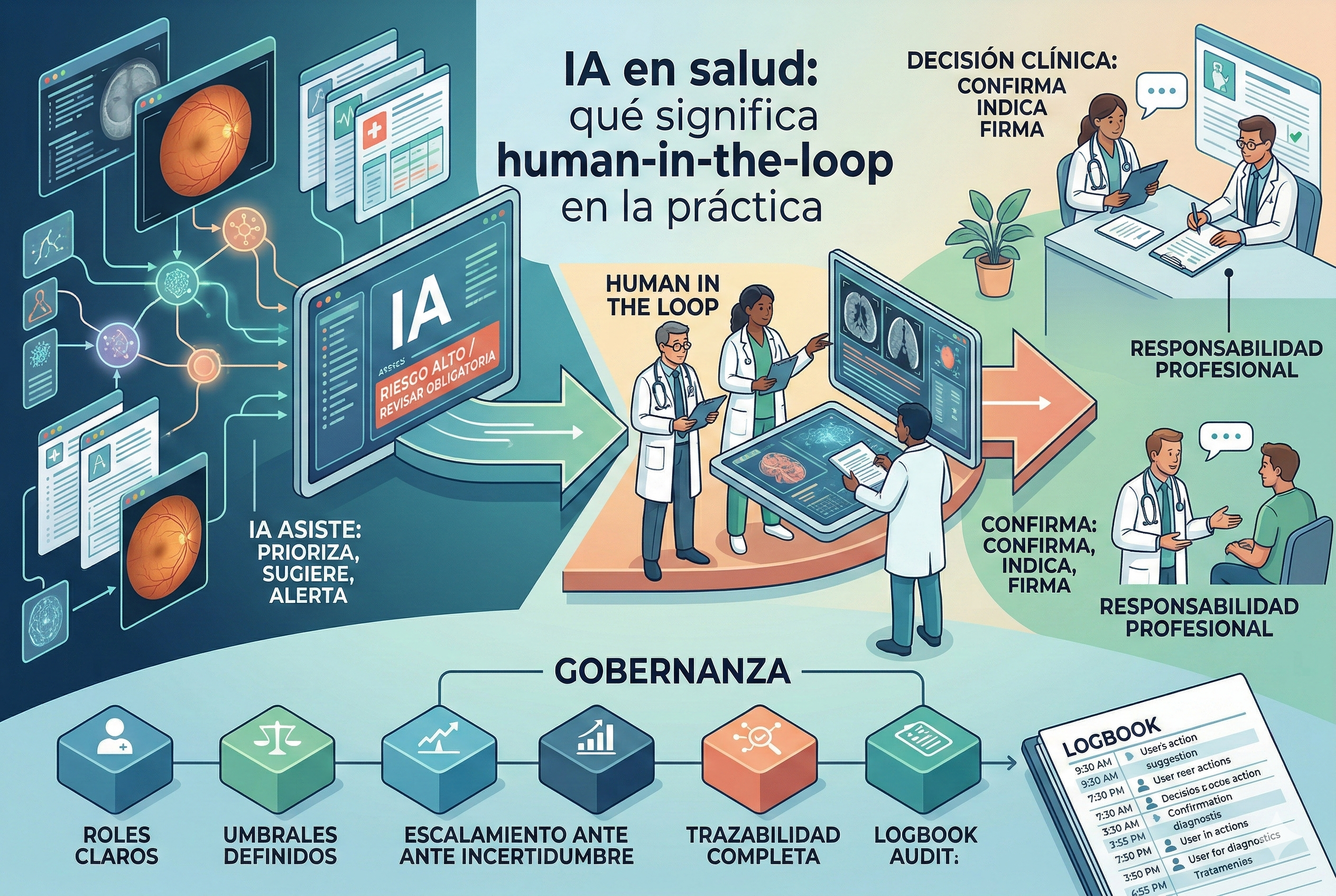
AI in healthcare: what human-in-the-loop means in practice

Human-in-the-loop is not 'having a physician look at it at the end': it is operational design with thresholds, roles, and evidence.

No results for this filter.

Retinar

AI teleophthalmology for diabetic-retinopathy screening. Retinar SAS, Argentina.

See to grow.

Solutions

Public hospitals Primary care Clinics and multispecialty Programs and campaigns

Platform

How it works Clinical evidence Case studies Frequently asked questions

Company

About Retinar Resources Blog Contact Privacy Terms Cookie preferences

Contact

[email protected]

Tandil, Argentina

LinkedIn Instagram

Retinar SAS · Tax ID 30-71892218-2 · San Francisco 1678, Tandil, Buenos Aires · Medical device authorized by ANMAT · Data hosted in Argentina under Law 25,326

All rights reserved — 2026

Measurement cookies

We use Google Analytics and HubSpot to understand which pages are visited, attribute inquiries, and improve the site. They are only enabled if you accept. View privacy policy